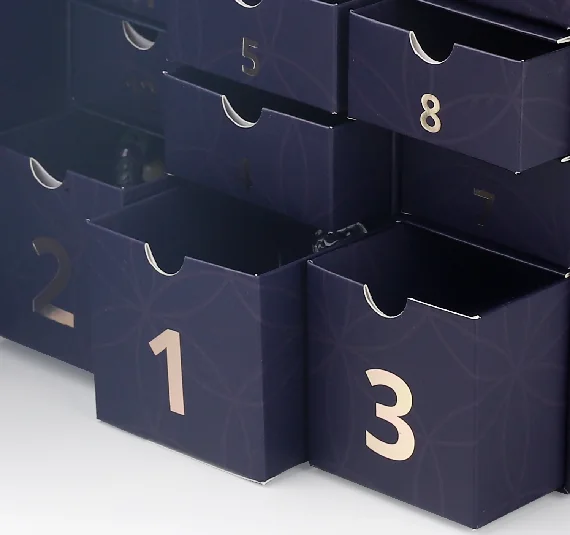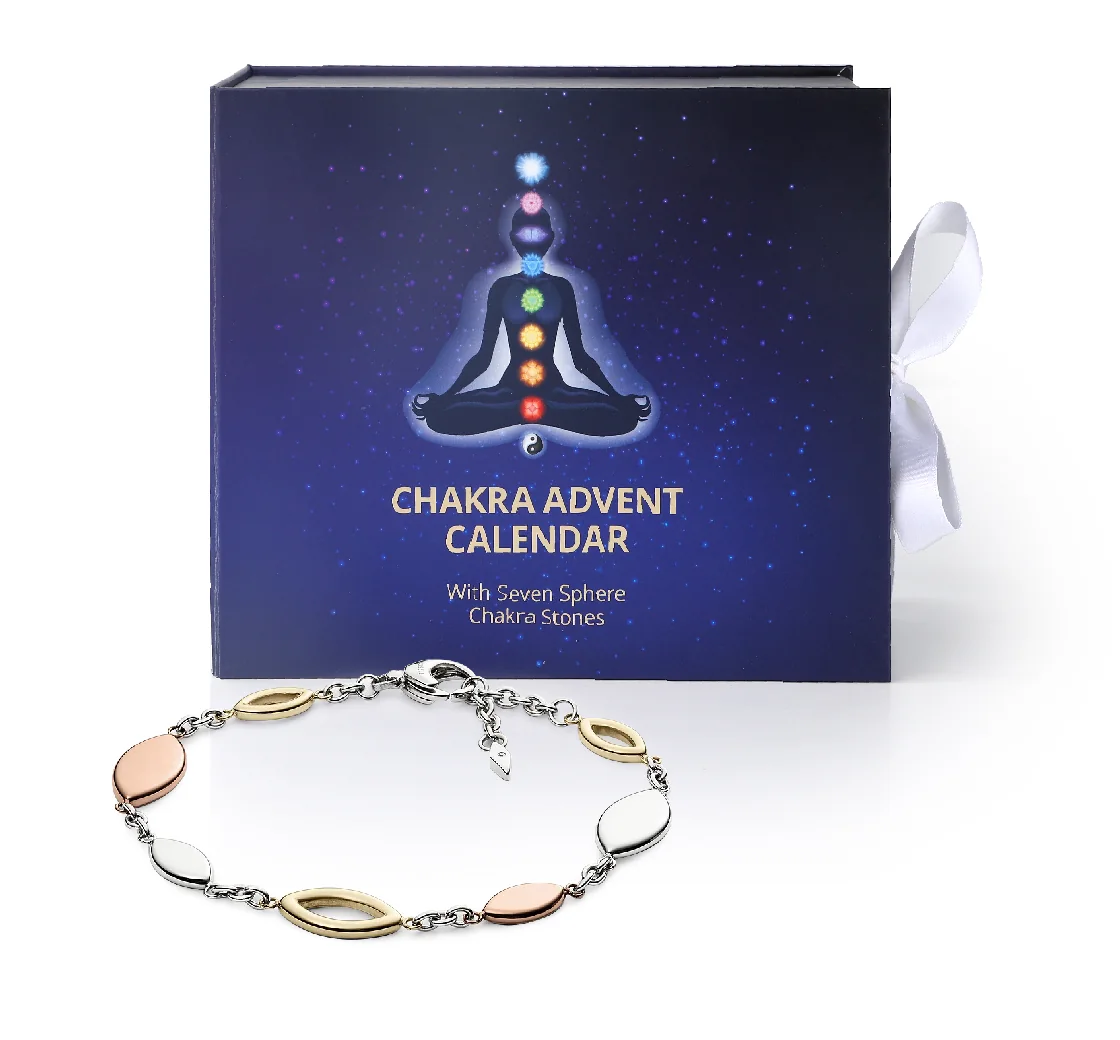
Customization is useful when a defined requirement is not met by the starting format: item fit, a coordinated range, artwork or the intended gift presentation. Its value should be judged against those requirements rather than assumed sales or loyalty gains.
Fit a specific item
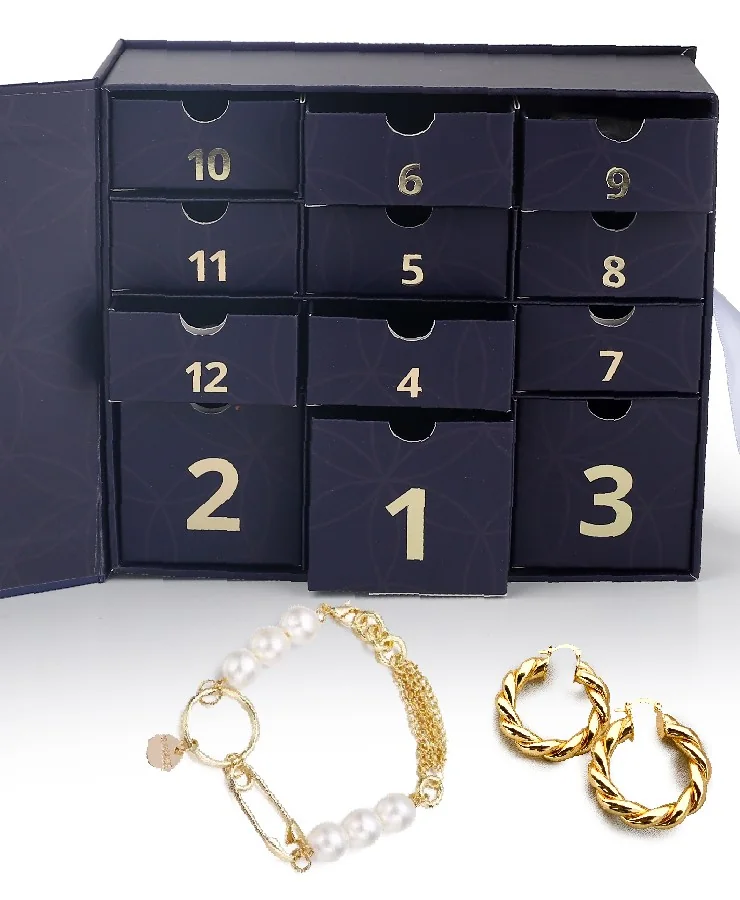
A custom brief can define the dimensions, item position and access required for the jewelry. Review the proposed insert and opening with an actual sample; customization itself does not prove protection.
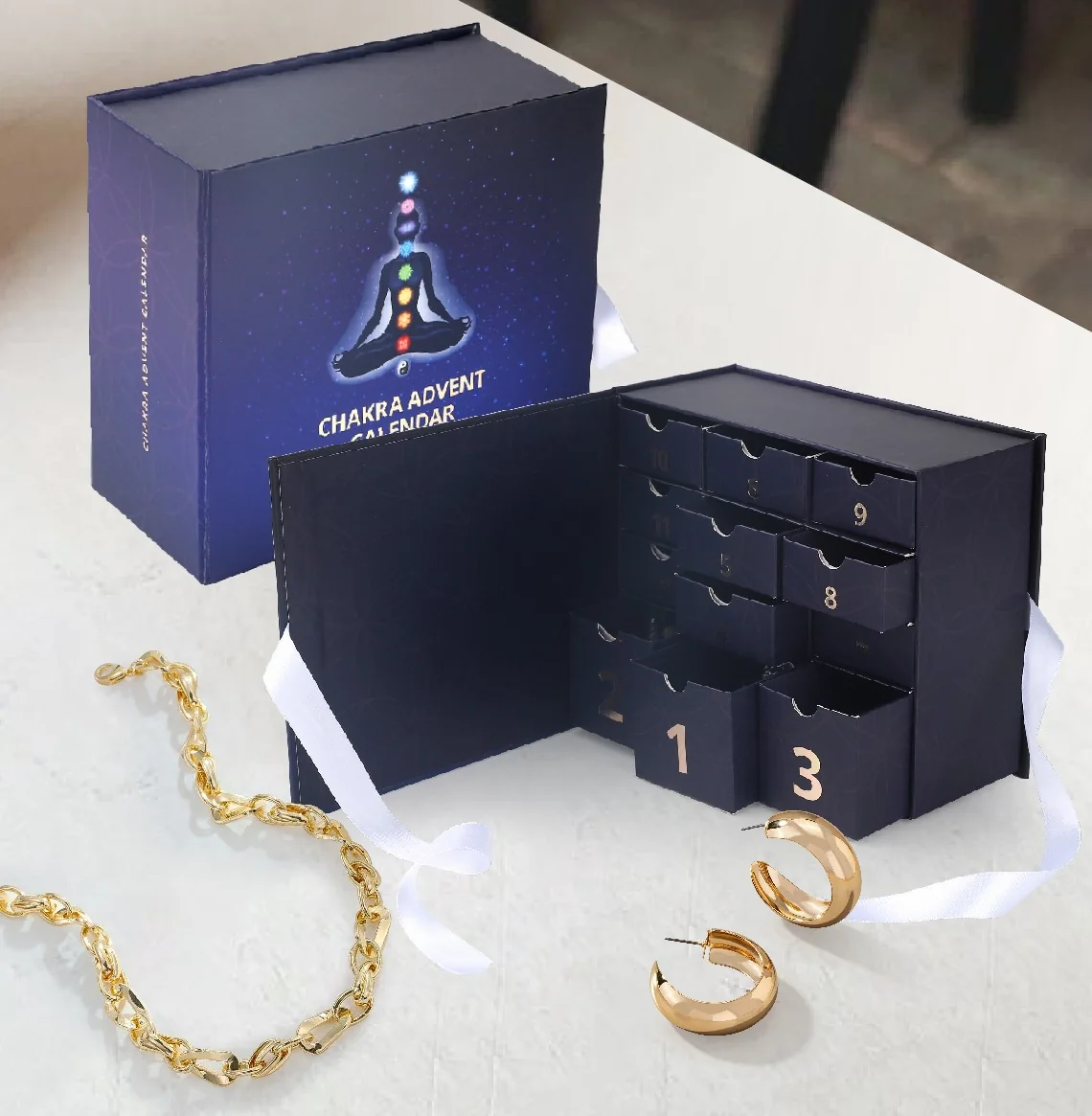
Connect the packaging to the collection
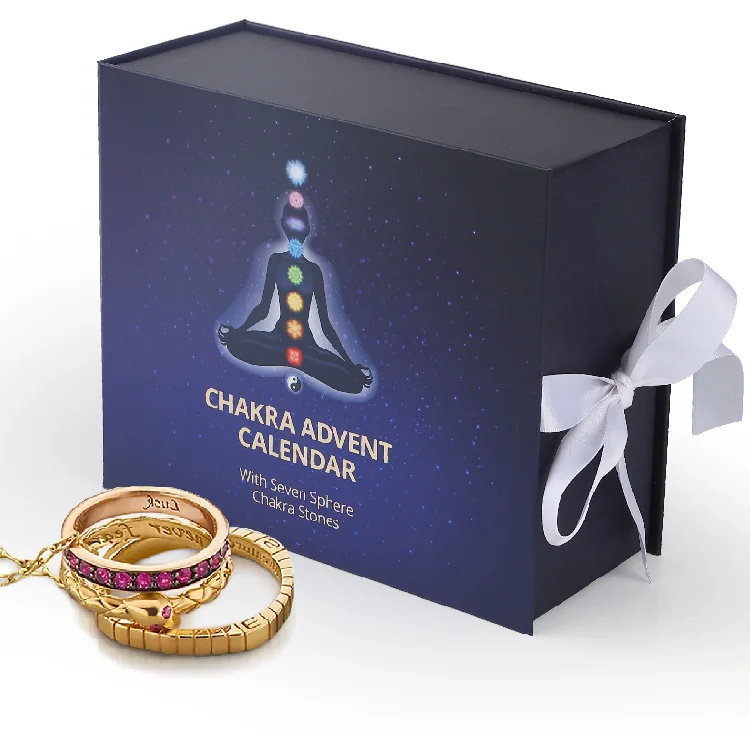
Artwork, color and format choices can express a collection identity or a gifting occasion. Identify the element that needs to change instead of adding decoration without a purpose.
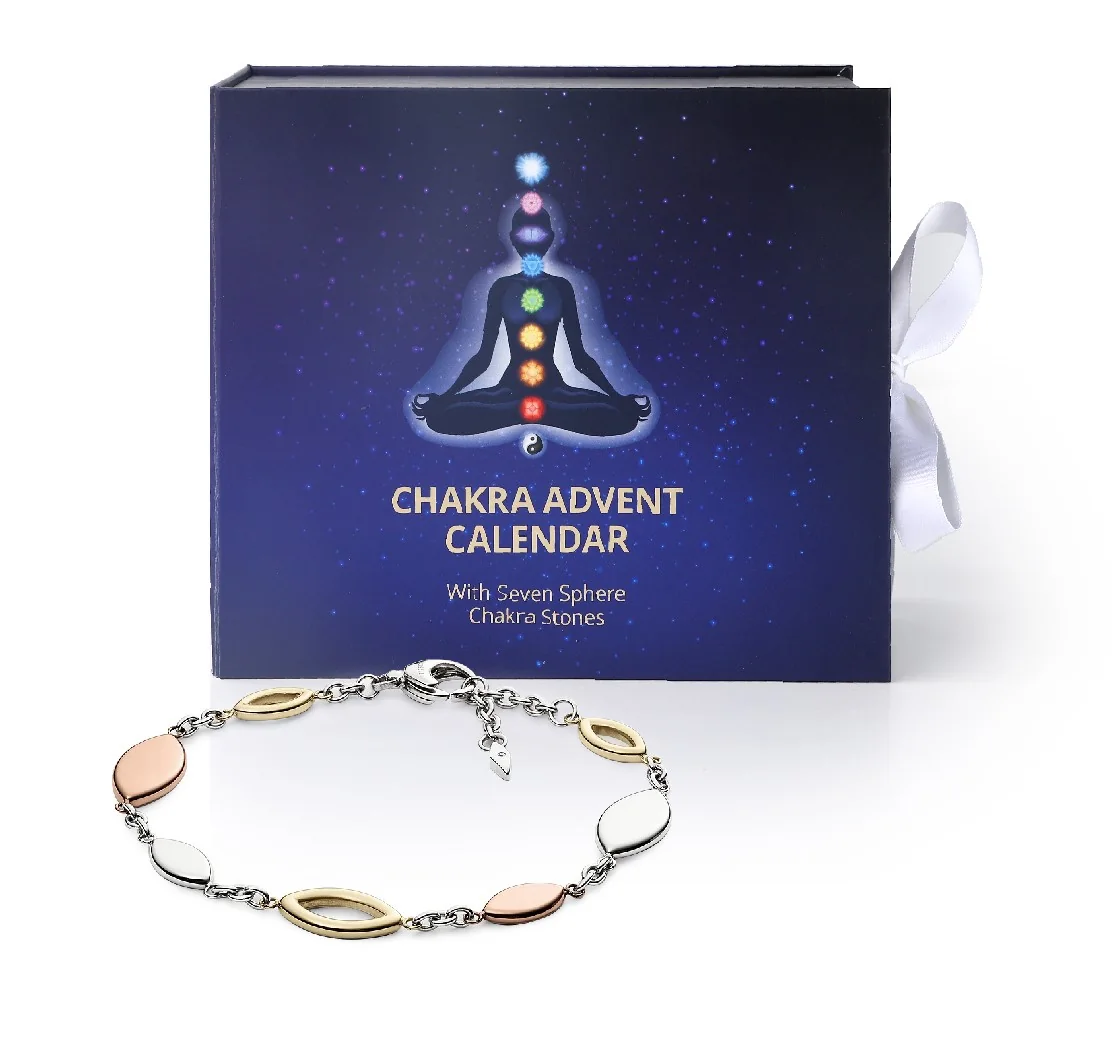
Coordinate several formats
A range may need different sizes with a shared visual identity. Define each format separately so that consistent artwork does not conceal differences in interior fit or packing.
Account for the tradeoffs
Confirm quantity, artwork preparation, sampling and schedule requirements for the selected proposal. A custom solution is not automatically cheaper or environmentally preferable. If the existing format already meets the need, identify the specific improvement before changing it.
Evaluate the result
Compare the sample with the written requirements and approve the fit, appearance and handling arrangement. Keep expected brand outcomes separate from facts that can actually be checked on the package.