
Define the desired presentation and environmental requirements separately, then compare how the complete design meets both. A luxurious appearance and a natural-looking surface are not evidence of environmental performance.
State the presentation priorities
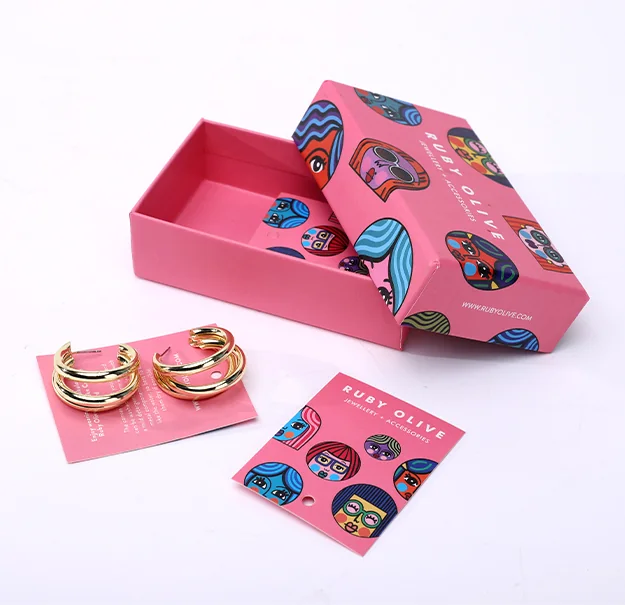
Identify what creates the intended experience: proportion, artwork, opening or the arrangement of components. This makes it possible to evaluate alternatives without assuming that extra layers or decoration are essential.
Make environmental goals specific
State the particular requirement that matters for the intended market, such as a documented material attribute or an agreed end-of-use route. Review the complete construction, including inserts and finishes, before making a public claim.
Compare the consequences
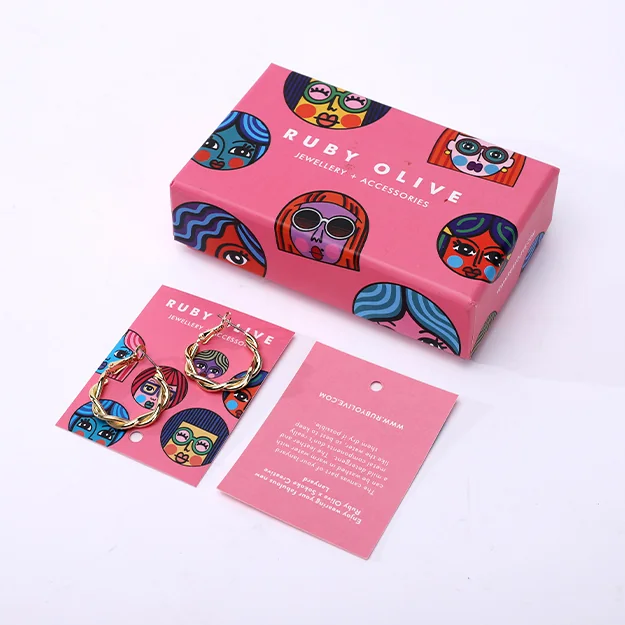
Assess what a proposed material or component change does to appearance, fit and handling. Confirm the selected sample and supporting documentation together. Avoid broad claims that every design is sustainable or that one material solves every requirement.